November 17, 2026
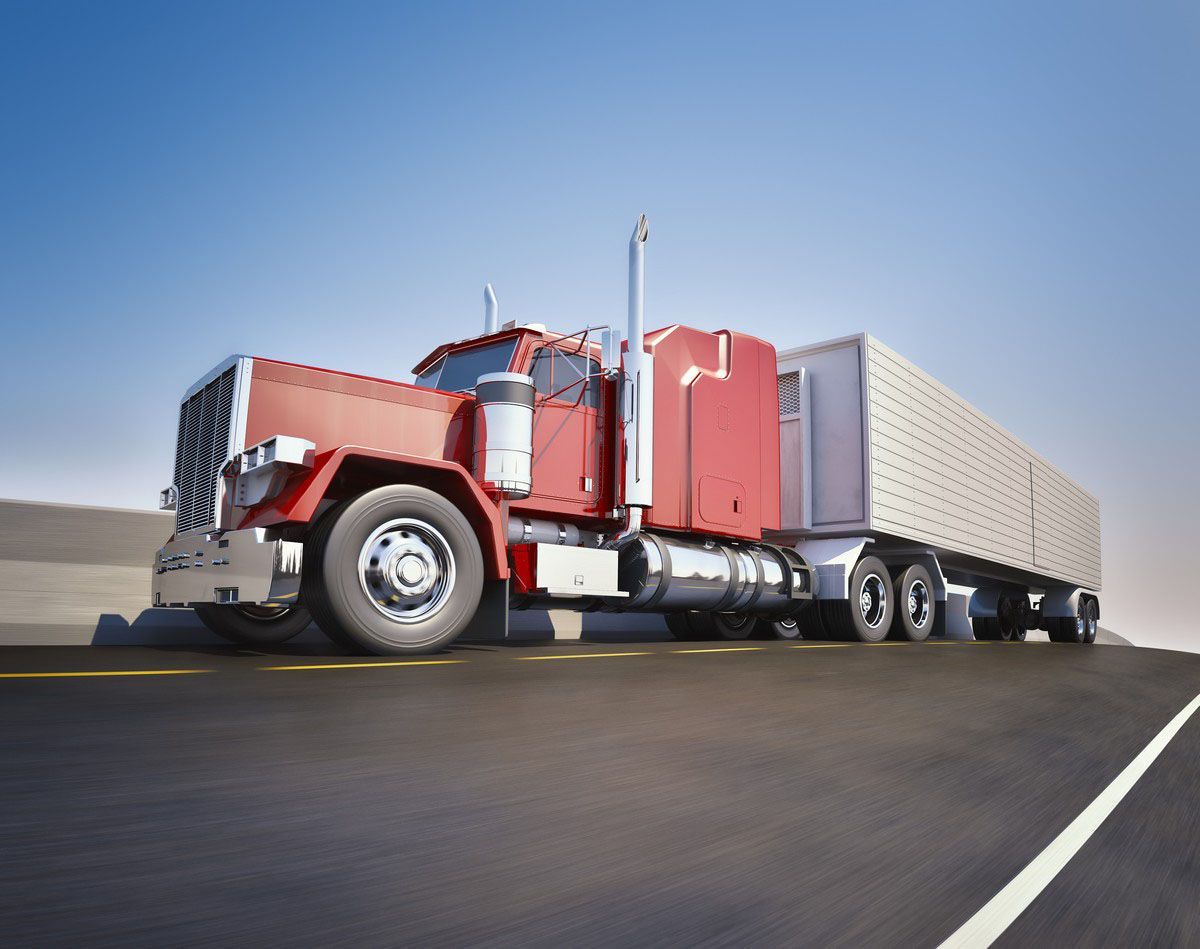
Long-haul trucking is the backbone of our economy, delivering essential goods across thousands of miles. Every day, commercial trucks travel crowded highways to meet strict customer delivery deadlines. However, hauling heavy loads across huge distances causes serious wear on mechanical parts. When a truck breaks down on a busy interstate, it creates a hazard and disrupts supply chains. Drivers find themselves stranded on narrow road shoulders while fleet managers face expensive delays.
Roadside emergencies happen far more often than most motorists realize. According to BeaconFunding.com, North American long-haul trucking sees an estimated 500,000 roadside breakdown events per year. When sudden mechanical problems strike, professional towing companies provide the heavy muscle needed to clear the road. Skilled recovery teams work around the clock to move stalled rigs to repair shops quickly. Here is how reliable commercial recovery providers protect drivers and keep freight moving smoothly.
Recognizing the Critical Role of Heavy Towing
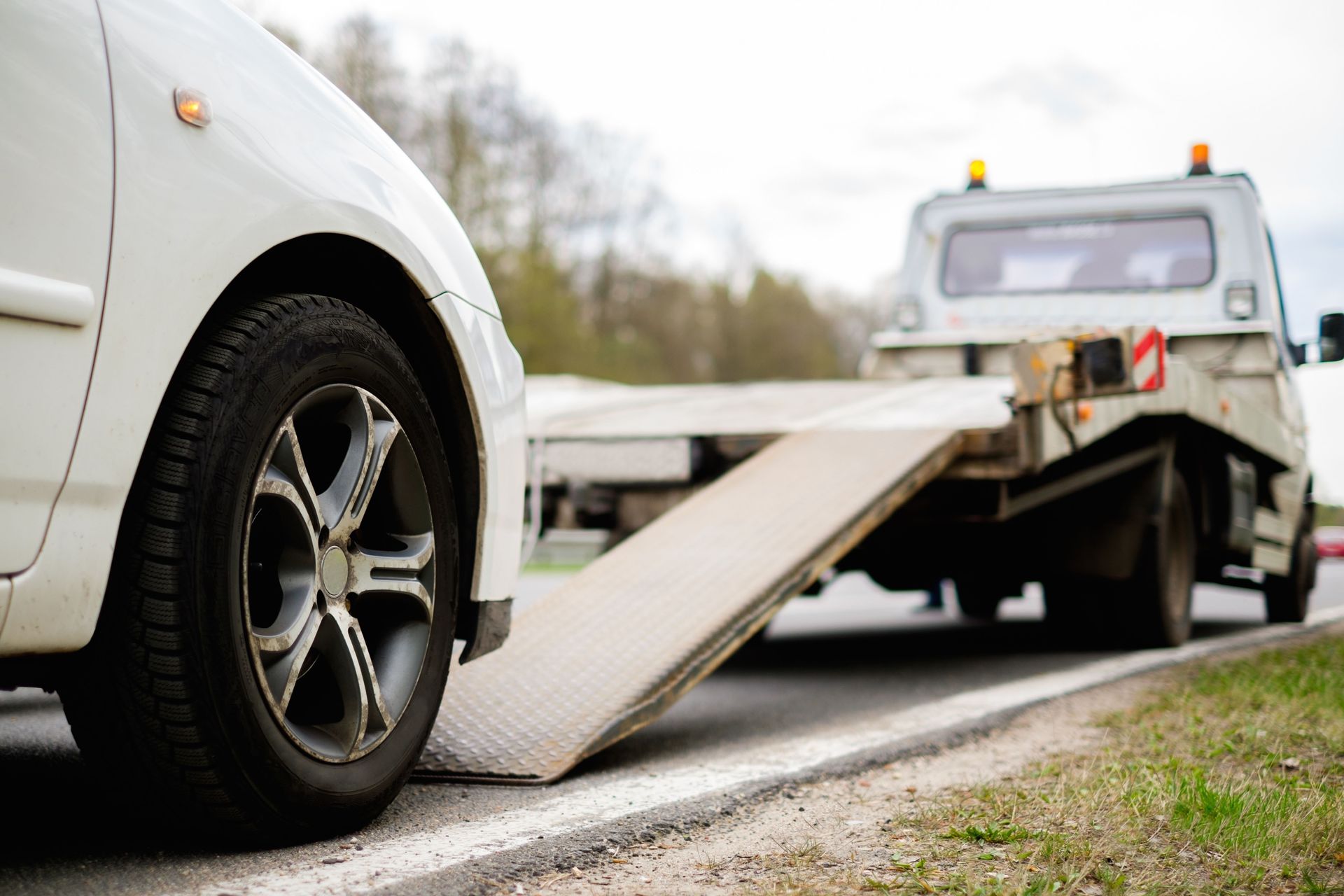
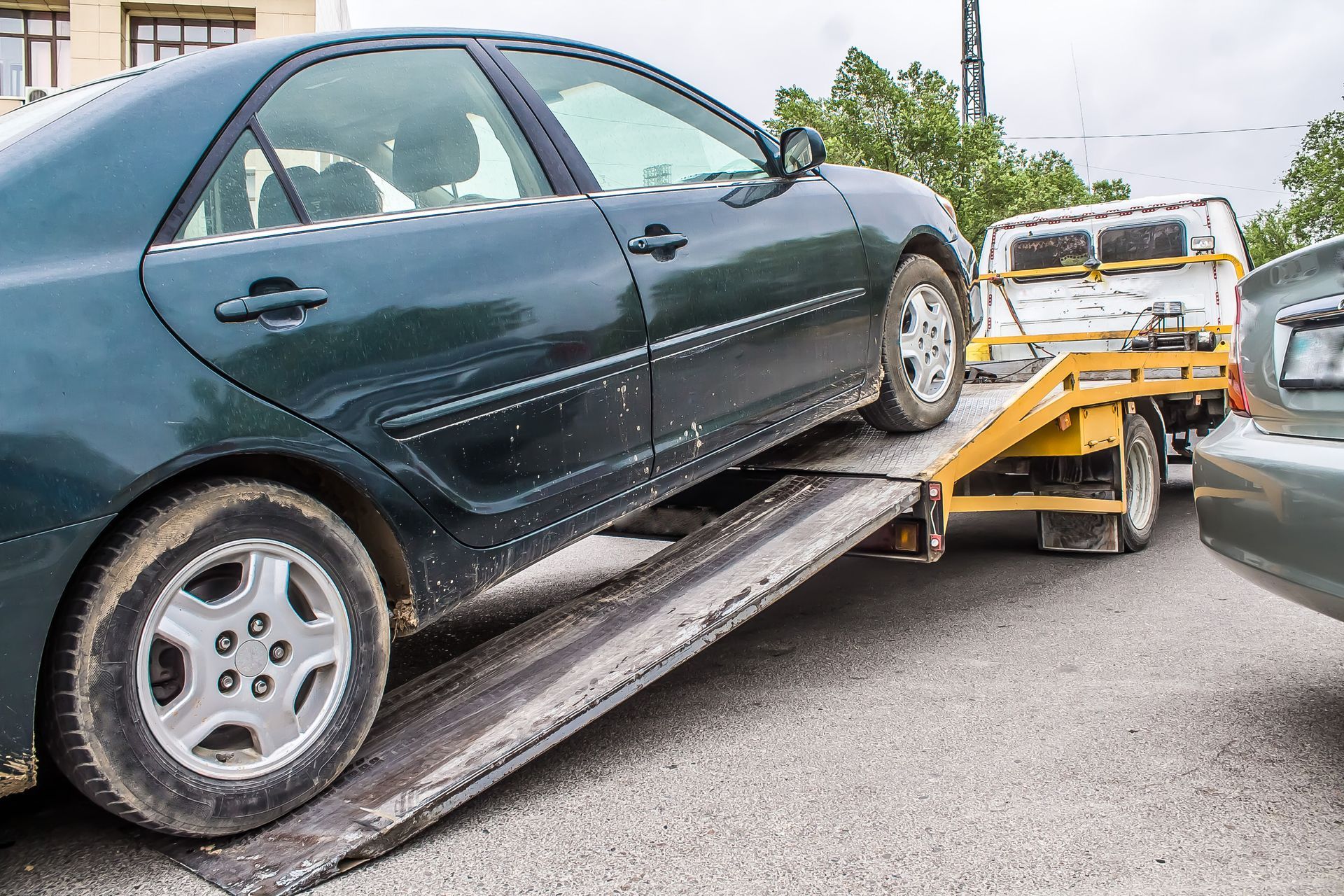
In the freight industry, lost time means lost money for drivers and carriers alike. When a commercial truck stalls, every passing hour eats profits and threatens delivery schedules. Commercial recovery specialists reduce expensive downtime by dispatching heavy wreckers the moment a call arrives. Experienced operators quickly secure the vehicle and tow the rig to a qualified service facility. Getting disabled trucks off highways and into maintenance bays helps carriers resume trips promptly.
Beyond protecting revenue, heavy recovery services play an essential part in keeping highways safe. A stalled tractor-trailer sitting on a narrow shoulder creates an immediate collision risk. Certified towing companies follow strict safety rules to manage traffic lanes and prevent secondary roadside accidents. They also assist fleet managers by transferring cargo to relief trailers so shipments stay moving. Having a dedicated heavy towing partner turns unexpected road breakdowns into manageable repairs.
Identifying Essential Qualities of Top Providers
Not every roadside provider has the equipment required to manage heavy commercial vehicles. A loaded semi-truck can weigh eighty thousand pounds, requiring fifty-ton wreckers and specialized rotators. Top-tier operators invest in modern hydraulic lifting gear, sturdy wheel-lift attachments, and reinforced winch cables. Using appropriate equipment prevents frame bending or axle damage while pulling disabled vehicles onto the pavement. Carriers should look for providers who maintain well-equipped fleets designed specifically for commercial recovery.
In addition to heavy equipment, seasoned and certified technicians make all the difference during highway emergencies. Experienced recovery workers understand the mechanics of various diesel truck models, air brakes, and cargo weights. Dependable towing companies also provide round-the-clock availability with clear, honest dispatch communication. When a breakdown occurs at midnight, dispatchers should give accurate arrival times and frequent status updates. Partnering with a skilled provider gives long-haul drivers total confidence on every trip.
Overcoming Challenging Highway Recovery Scenarios
Recovering disabled tractor-trailers presents serious technical and environmental hurdles for roadside operators. Long-haul freight corridors often cut through remote rural stretches with limited cell coverage and distant repair shops. When a rig breaks down in an isolated canyon or mountain pass, recovery crews must travel far to provide aid. Heavy wreckers must navigate narrow roads and steep grades while hauling complex lifting equipment. Reaching stranded vehicles quickly requires extensive route knowledge and strategic fleet placement.
Severe weather creates another dangerous obstacle for heavy-duty commercial recovery crews. Freezing blizzards, heavy downpours, and black ice turn highway shoulders into treacherous zones. Professional towing companies train their operators to work safely under extreme conditions while wearing high-visibility gear. Crews must also manage strict weight regulations and axle permits when towing across state boundaries. Overcoming these logistical hurdles ensures stranded truck drivers receive dependable help in any environment.
Reviewing Real-World Commercial Rescue Examples
Examining real-world emergency responses shows how skilled operators handle complicated roadside incidents successfully. In one common scenario, a tractor-trailer suffers a violent steer-tire blowout at highway speed, sliding into a steep ditch. Standard tow trucks cannot pull a loaded eighty-thousand-pound rig uphill without risking severe structural damage. A specialized recovery team utilizes dual rotators to lift the trailer gently while winching the tractor back onto solid pavement, preserving valuable cargo and preventing highway closures.
Another frequent challenge involves transporting disabled vehicles across state lines to specialized fleet maintenance centers. When an engine suffers catastrophic internal failure in a rural area, local mechanics may lack necessary replacement parts. Dedicated recovery operators coordinate interstate transit permits, secure wide loads, and tow rigs hundreds of miles directly to company terminals. These practical examples highlight how seasoned recovery specialists resolve difficult transport challenges, minimizing expensive cargo delays and restoring operational control.
Utilizing Modern Technology for Faster Dispatches
Modern technology has transformed commercial roadside assistance into a streamlined, data-driven operation. Advanced GPS tracking systems allow dispatchers to locate stalled trucks instantly and identify the nearest available recovery unit. Digital mapping software calculates optimal travel routes around highway construction and traffic congestion, shortening arrival windows significantly. Automated dispatch algorithms match specific breakdown needs with appropriately sized wreckers, ensuring crews arrive equipped with the right winches, chains, and wheel-lift attachments.
Driver communication tools have also improved dramatically through user-friendly smartphone applications. Stranded truckers can drop exact GPS coordinates, upload photos of mechanical damage, and track their assigned wrecker in real time. Leading towing companies use these mobile platforms to coordinate immediate roadside rescues. Digital fleet portals also allow logistics managers to monitor towing progress and review electronic service invoices instantly. Embracing advanced technology improves communication, speeds up recovery operations, and reduces stress for drivers.
Selecting the Ideal Recovery Partner for Your Fleet
Choosing the right commercial recovery provider requires careful research and clear contract agreements. Carriers should evaluate multiple towing companies based on equipment readiness, licensing, and insurance coverage. A reliable provider must hold adequate liability and cargo insurance to protect expensive shipments during complex winching operations. Logistics managers should request clear, written pricing schedules that define standard hookup charges, mileage rates, and specialized labor fees to prevent unexpected invoices after emergency calls.
Establishing formal service level agreements guarantees priority response status during peak weather emergencies. Clear contracts outline guaranteed arrival windows, designated repair facility destinations, and 24-hour dispatch contact procedures. Fleet directors should schedule regular performance reviews to track average response times and driver satisfaction ratings. Developing an ongoing business relationship with an established recovery partner creates mutual trust and ensures seamless communication. A dependable partnership protects your drivers and keeps your long-haul business running efficiently.
Partnering With Dependable Commercial Towing Specialists
Keeping commercial freight moving across North America requires constant vigilance, disciplined maintenance, and reliable emergency support. When unexpected mechanical failures or weather hazards halt your trucks, prompt roadside assistance makes all the difference. Professional recovery providers protect drivers, prevent secondary traffic accidents, and preserve valuable cargo through expert towing methods. Investing in dependable commercial support shields your business from costly downtime and ensures that your supply chain commitments remain dependable and secure.
Partnering with certified towing companies ensures that your drivers receive immediate roadside support whenever mechanical trouble strikes. Professional operators bring the heavy machinery, certified skills, and calm focus needed to resolve difficult highway emergencies safely. If your fleet operates commercial routes and needs fast, dependable, and experienced heavy-duty recovery, contact Arrow Tow Services LLC. Their dedicated dispatchers and operators keep your trucks moving forward, giving you complete confidence on every single mile of highway.